
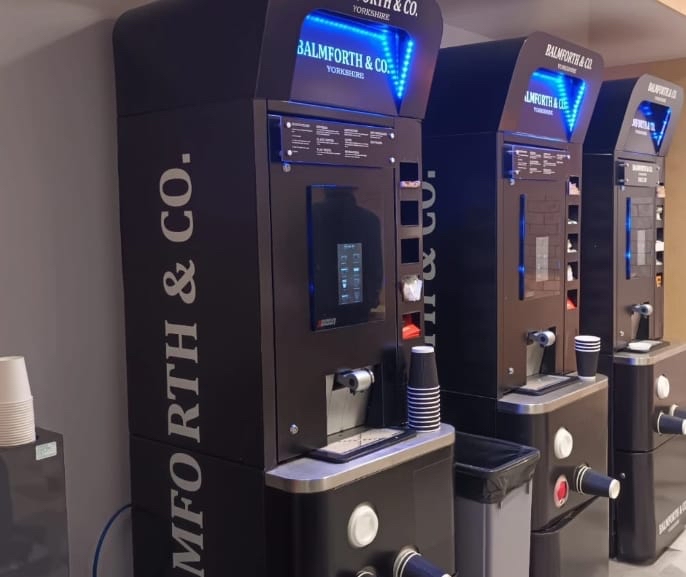
Choosing the right coffee beans is no longer just about taste.
In 2026, businesses across offices, cafés, healthcare, education and hospitality are expected to deliver consistent quality, ethical sourcing, and reliable supply — all without disrupting operations.
Whether you’re serving staff, customers or guests, the coffee beans you choose directly affect experience, perception, and long-term cost. This guide explains how to choose the best coffee beans for commercial environments and what to look for in a professional supplier.
1. Understand Your Environment First
Before selecting coffee beans, it’s essential to understand where and how the coffee will be consumed.
- Offices & workplaces need reliable, easy-drinking coffee that performs consistently in bean-to-cup machines.
- Cafés & hospitality venues may require more distinctive flavour profiles to suit menus and customer expectations.
- Healthcare, education & public sector sites prioritise consistency, availability, and minimal waste.
The “best” coffee bean is the one that performs reliably in your environment — not just the most expensive or exotic option.
2. Arabica vs Robusta: What Works Best for Business?
One of the most common decisions businesses face is choosing between Arabica and Robusta coffee beans.
Arabica beans:
- Smoother, more complex flavour
- Lower bitterness
- Preferred for cafés, offices and guest-facing environments
Robusta beans:
- Stronger, more bitter taste
- Higher caffeine
- Often used in blends for cost control or strength
For most offices and hospitality sites in the UK, Arabica-dominant blends provide the best balance of taste, consistency and broad appeal.
3. Consistency Matters More Than Novelty
In commercial settings, consistency beats experimentation.
Frequent changes in flavour, roast profile or bean quality can:
- Reduce staff satisfaction
- Cause complaints from regular customers
- Create machine performance issues
A professional coffee supplier should offer:
- Stable bean profiles
- Predictable roasting standards
- Long-term continuity of supply
This is especially important for multi-site businesses and organisations operating at scale.
4. Sustainability Is Now a Business Expectation
In 2026, sustainability is no longer optional.
Businesses are increasingly expected to demonstrate:
- Ethical sourcing
- Responsible supply chains
- Reduced environmental impact
When choosing coffee beans, look for suppliers that can explain:
- Where the beans are sourced
- How farmers are supported
- How sustainability claims are verified
Sustainable coffee isn’t just good ethics — it’s increasingly important for brand reputation and procurement compliance.
5. Match Coffee Beans to Your Machines
Not all coffee beans work well in all machines.
For example:
- Bean-to-cup machines require beans with consistent size and oil content
- Traditional espresso machines allow more flexibility but need skilled calibration
- High-volume sites need beans that perform reliably under constant use
Choosing the wrong beans can lead to:
- Poor extraction
- Increased maintenance
- Higher waste
A good supplier will help match the right beans to your equipment, not just sell the beans themselves.
6. Service & Support Matter as Much as the Beans
Coffee supply for businesses is about more than delivery.
A professional supplier should offer:
- Advice on bean selection
- Ongoing support as usage changes
- Integration with machines, ingredients and servicing
This is especially important for businesses that don’t sell online and rely on quotes, consultation and long-term relationships.
Final Thoughts
The best coffee beans for offices, cafés and hospitality sites in 2026 are those that deliver:
- Consistent quality
- Reliable supply
- Ethical sourcing
- Compatibility with your equipment
- Professional support behind the product
Choosing the right supplier is just as important as choosing the beans themselves.