Decaf coffee has come a long way. In 2026, it’s no longer a compromise or an afterthought — it’s a deliberate choice for people who want great-tasting coffee without the caffeine.
Yet many businesses and consumers still ask the same questions: How is decaf coffee made? Does it taste different? And is it really caffeine free?
In this guide, we explain how caffeine is removed from coffee beans, why modern decaf still delivers excellent flavour, and what to look for when choosing a high-quality decaf coffee blend.
What Is Decaf Coffee?
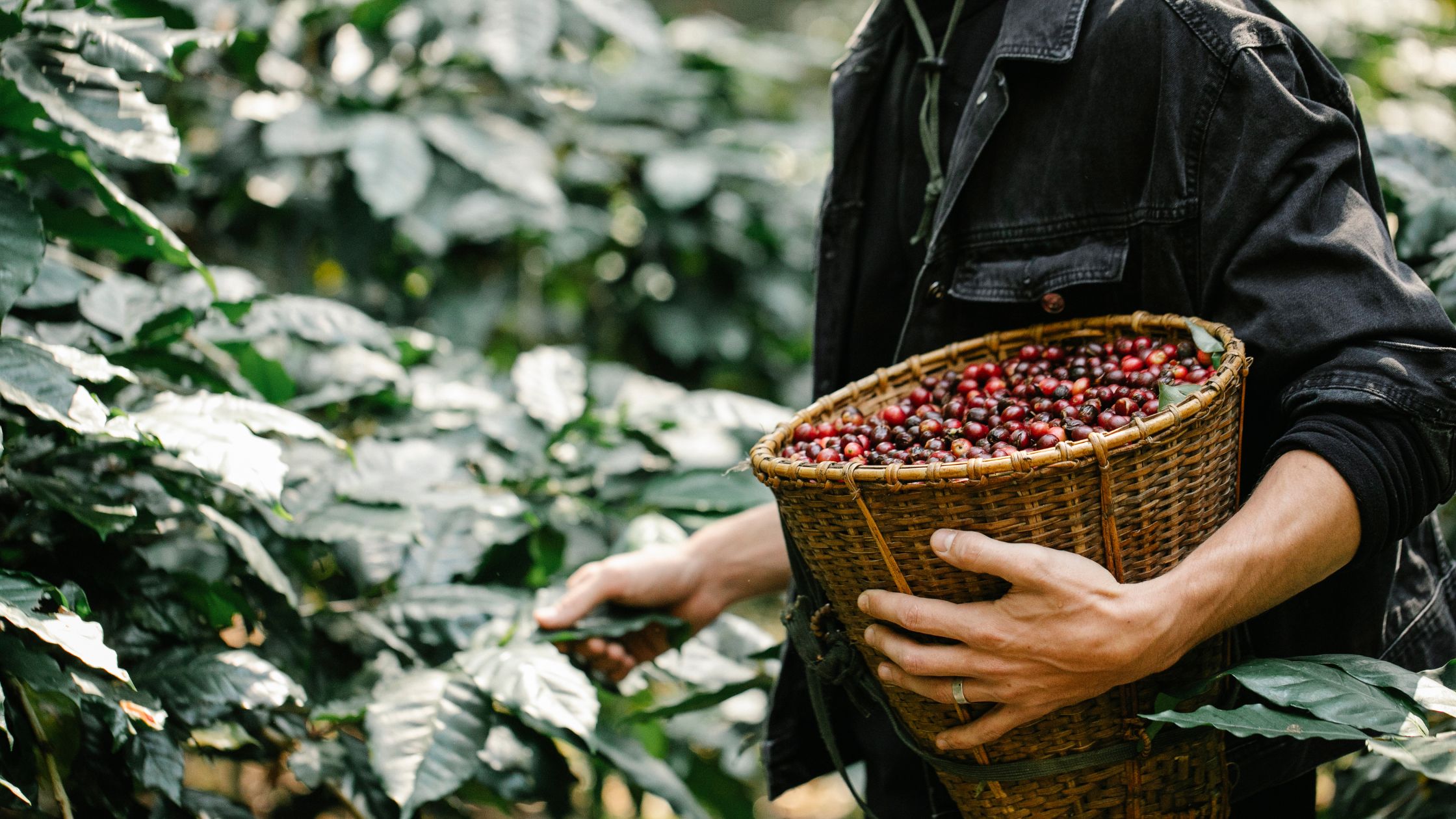
Decaf coffee starts life exactly the same way as regular coffee — as green coffee beans grown, harvested and processed at origin. The difference is that caffeine is removed before roasting, while the beans are still green.
By law, decaffeinated coffee must have at least 97% of the caffeine removed, making it suitable for people who are sensitive to caffeine or prefer to enjoy coffee later in the day.
How Is Caffeine Removed from Coffee Beans?
There are several decaffeination methods used globally, all designed to remove caffeine while preserving flavour. The most widely used and trusted processes focus on gentle extraction rather than harsh treatment.
1. Water-Based Decaffeination (Swiss Water Method)
This chemical-free process uses water, temperature and time to extract caffeine while keeping flavour compounds intact.
Key benefits:
- No chemical solvents
- Retains natural flavour oils
- Popular for premium decaf coffee
2. CO₂ Decaffeination
This method uses pressurised carbon dioxide to selectively remove caffeine.
Key benefits:
- Highly precise
- Preserves complex flavour compounds
- Ideal for high-quality commercial coffee
3. Solvent-Based Methods (Ethyl Acetate)
When done correctly, naturally derived solvents can remove caffeine effectively without impacting taste.
Key benefits:
- Efficient and consistent
- Widely used in commercial supply
- Safe and tightly regulated
Regardless of method, the goal is the same: remove caffeine, not flavour.
Why Modern Decaf Coffee Tastes Better Than Ever
Decaf coffee’s poor reputation comes largely from outdated processing techniques and lower-quality beans. Modern decaf benefits from major improvements in sourcing, processing and roasting.
Today’s high-quality decaf coffee:
- Uses better-grade beans from the start
- Preserves flavour compounds during decaffeination
- Is roasted specifically for taste, not treated as secondary
- Performs well in commercial and bean-to-cup machines
The result is a cup that’s smooth, balanced and satisfying — without the caffeine.
Does Decaf Coffee Still Contain Caffeine?
Yes — but only trace amounts.
A typical cup of decaf contains 2–5mg of caffeine, compared to 80–100mg in regular coffee. For most people, this is negligible and won’t affect sleep or sensitivity.
Our Decaf Blend: Quality Without Compromise
At Balmforth & Co, we treat decaf with the same care as any other blend.
Our decaf coffee is:
- Made using high-quality beans selected for flavour
- Carefully decaffeinated to preserve character
- Roasted to deliver balance and depth
- Designed to perform consistently in commercial environments
It’s ideal for:
- Offices offering inclusive refreshment options
- Hospitality environments
- Healthcare and public sector sites
- Anyone who wants great coffee at any time of day
Decaf shouldn’t feel like a downgrade — it should feel like a choice.
Choosing the Right Decaf Coffee for Your Business
When selecting a decaf coffee supplier, look for:
- Transparency around the decaffeination process
- Quality beans, not leftovers from other blends
- Roasting expertise specific to decaf
- Consistent performance in your equipment
A good decaf blend supports staff wellbeing, customer choice and overall coffee satisfaction — without sacrificing flavour.
Decaf Coffee in 2026: A Confident Choice
Decaf coffee is no longer about what’s missing. It’s about what remains — flavour, balance and enjoyment.
With modern decaffeination methods and thoughtful roasting, decaf coffee can stand proudly alongside any caffeinated blend.
At Balmforth & Co, our decaf proves that great coffee doesn’t need caffeine to make an impact.